What 250 Young Girls in Palghar Taught Me About Real Empowerment
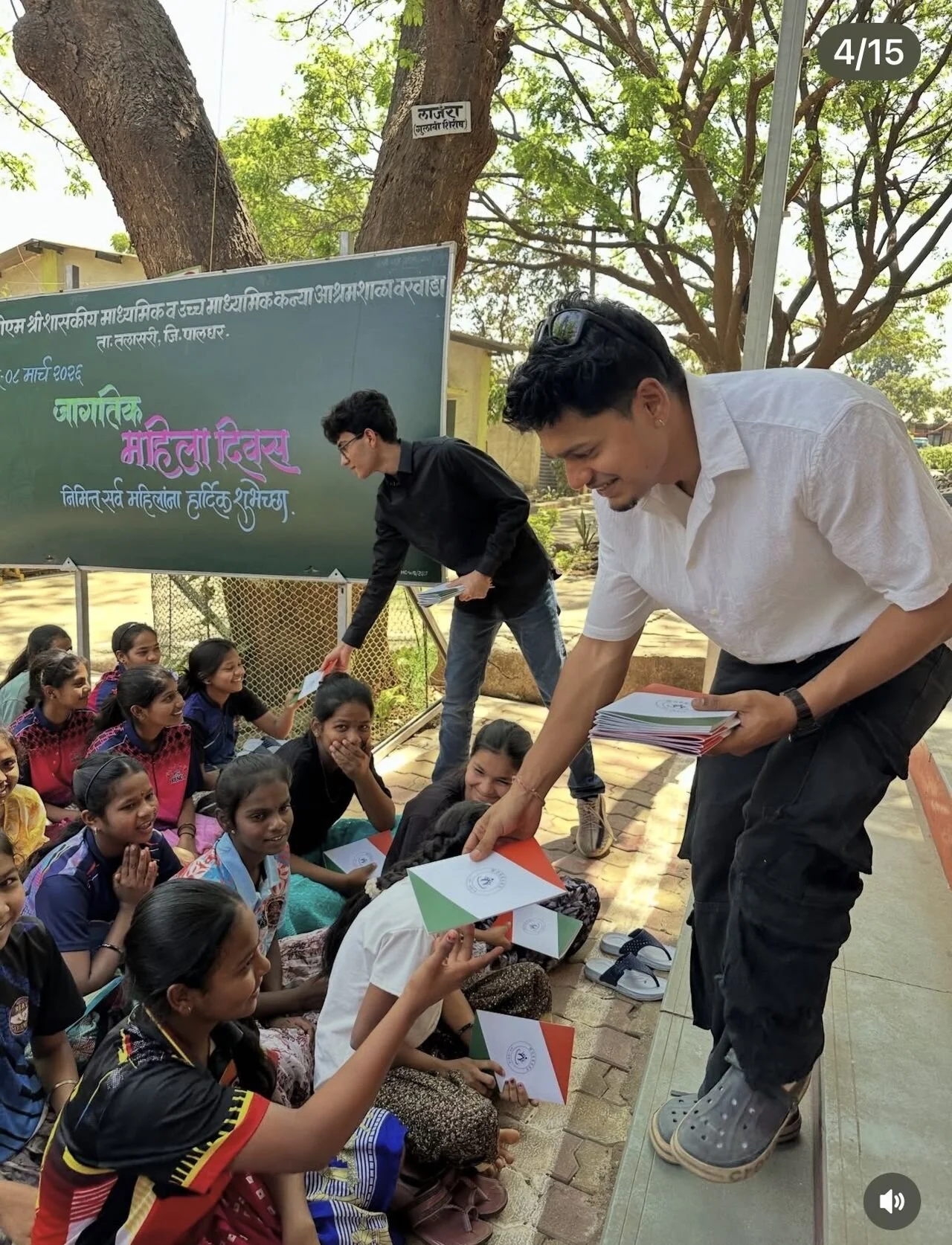
On International Women’s Day this year, I had the privilege of spending time at Shaskiya Ashramshala Varwade, a school in the Palghar district of Maharashtra. I went there expecting to conduct a simple awareness session. Instead, I walked away with an experience that stayed with me long after the visit ended.
The visit was organized through Workers of India in collaboration with the Saanvi Social Welfare Organisation. The goal was simple. We wanted to help families understand the e-Shram card.
For many workers in India’s unorganized sector, the e-Shram card can open the door to social security. It connects workers to insurance coverage and government welfare schemes and gives them recognition within the system. Yet many eligible workers never register. The problem is usually not eligibility. It is awareness.
That is where conversations matter.
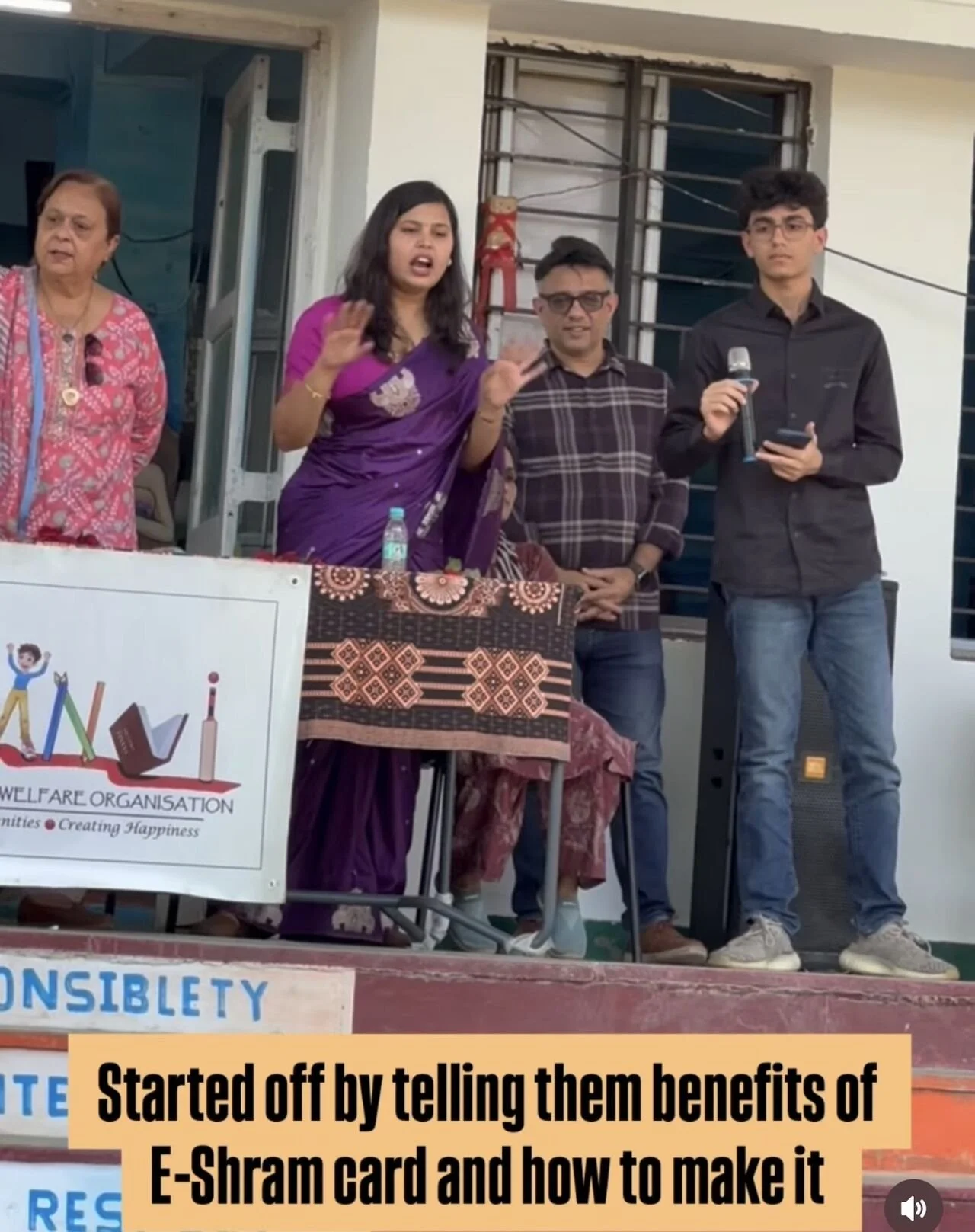
During the session, I spoke with students and their parents about the e-Shram card. We went through the full registration process step by step. I explained what documents are needed, how the application works, and what benefits the card provides.
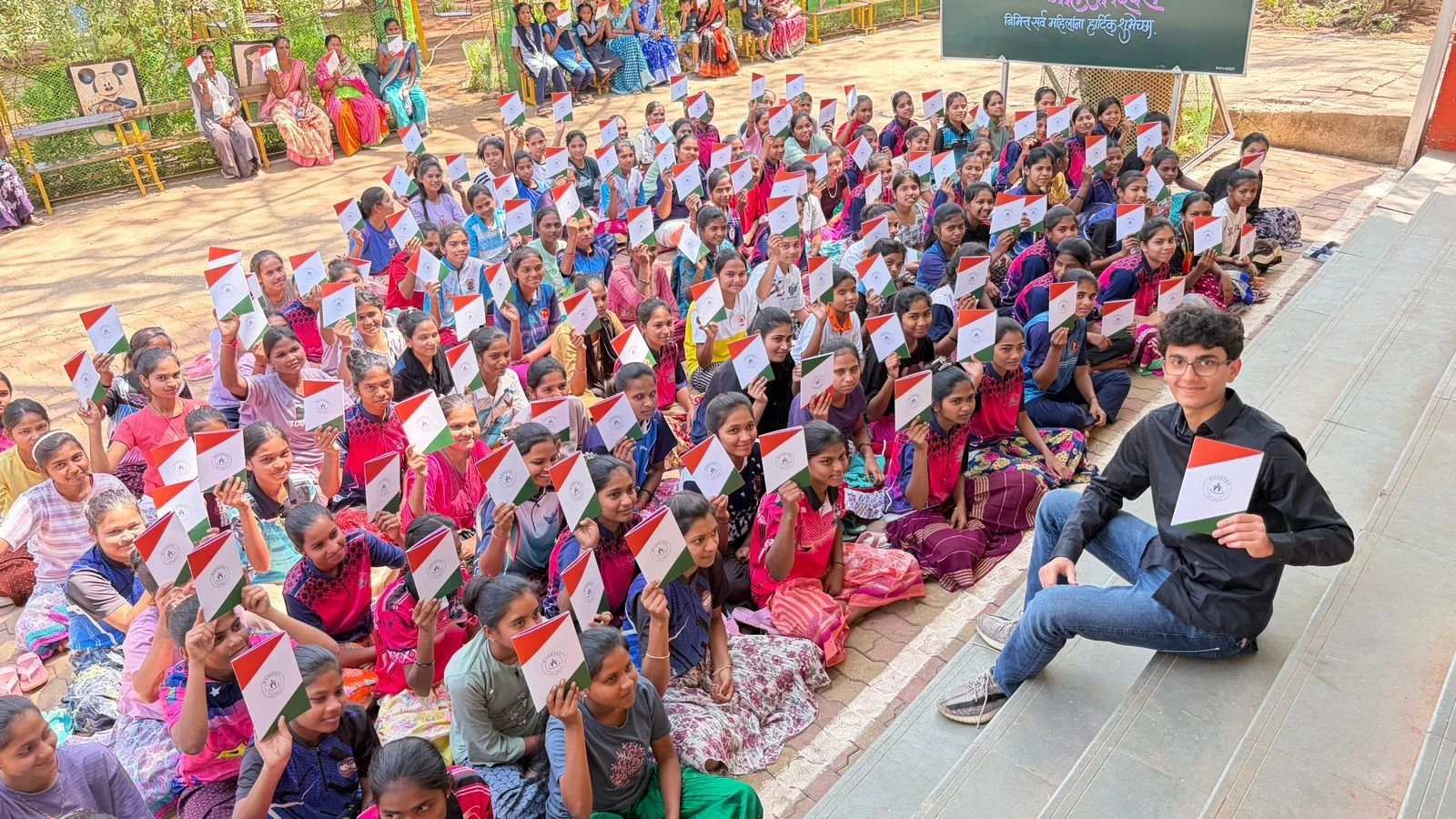
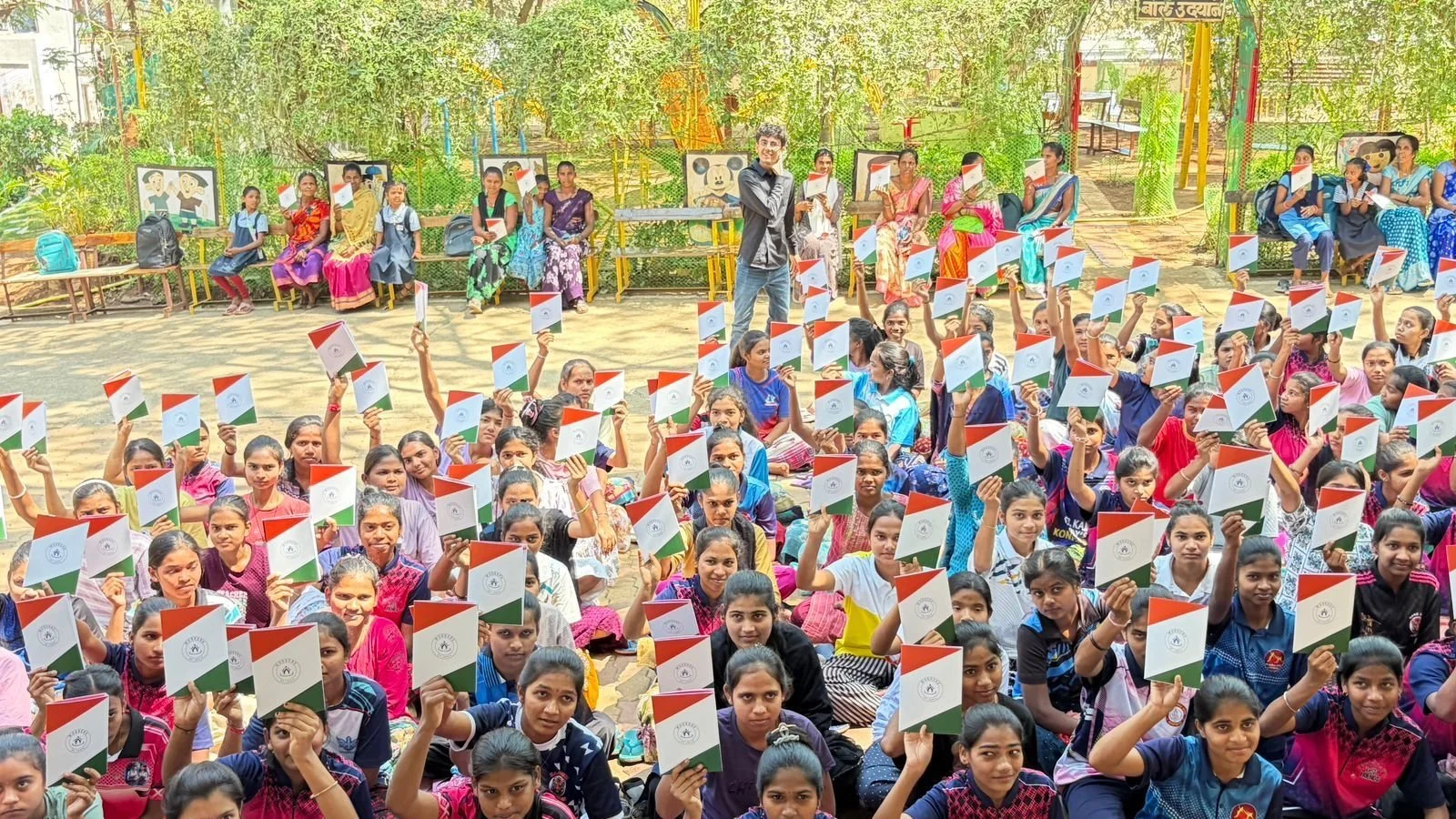
But the most memorable part of the day was not the information being shared. It was the people in the room. Nearly 250 young girls were sitting together, listening carefully and asking thoughtful questions. Many of them were thinking about how this information could help their families. They were not just curious. They were already thinking about responsibility and about their parents’ futures.
Watching them made something very clear to me. Empowerment often begins with something simple. It begins when people have access to the right information. One conversation can travel far beyond the room where it starts.
Speaking with the parents was equally eye opening. Several of them had never heard of the e-Shram card before. Others had heard the name but did not know how to apply or what it actually offered. The gap was not interest or willingness. The gap was knowledge. Once people understand their options, things begin to change.
This visit also marked an important milestone for Workers of India. With this session, we have now reached 700 people through our outreach efforts. When I first set our goal to reach 3,000 workers by the end of 2026, it felt ambitious. Days like this make that goal feel possible. Progress does not always happen through big announcements or major programs. Often it happens through small gatherings, classrooms full of questions, and families learning about opportunities that were always meant for them. There are still 2,300 workers left to reach. But after seeing the energy and curiosity in that room in Palghar, I feel more confident than ever that we will get there. The momentum is building and this is only the beginning.
I am deeply grateful to the Saanvi Social Welfare Organisation and Ms. Isha Rawat for making this visit possible. Being able to spend time on the ground and connect directly with communities is something I truly value, and I appreciate their support in making it happen.
Because in the end, empowerment does not always start with big changes. Sometimes it simply starts with sharing what people deserve to know.